





Programming
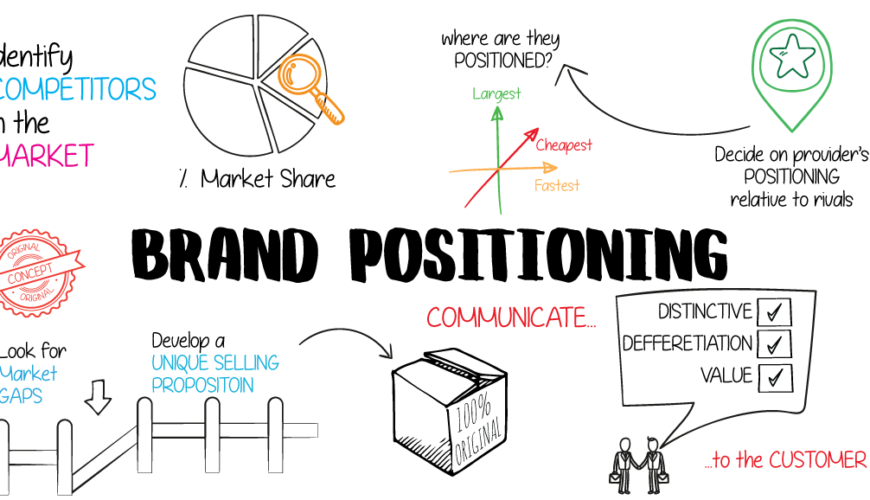
As the world becomes a single marketplace, consumers have become indecisive amidst thousands of products and communication overload. The sheer number and diversity of options have driven both national and international brands to adopt different strategies. As a result, the positioning theory, introduced by Al Ries and Jack Trout, emerged.
Positioning strategy, based on how the human brain works, aims to help the brain navigate through the complex communication overload and focus on a single point. Your product may have many features and personalities, but unfortunately, it is nearly impossible to occupy space in consumers' minds with all the features in today's world. For example, a detergent powder has many benefits, but for years Ariel has focused on stain removal, while Omo focuses on whitening. This is their positioning, and it does not mean that they don't have other features. So, in this highly competitive and communicative global market, what is the easiest way to enter the consumer's mind? How can a unique position be created in people's consciousness?
Once a brand owns something, it is very difficult to remove it from the consumer's mind. Therefore, even if competitors copy it, the right positioning strategy will not pose a threat. The world of brands is generally a world of first and second places. Brands that enter the market first gain an advantage by owning the product's features. Despite years of changing the ABC communication, when it comes to price difference, the first detergent that comes to mind is still the same. These brands have owned the product's features, and even though they may have other features, they have always focused on the same point, embedding themselves in the minds of consumers.
If you're not one of the first or second to enter the market, here are a few positioning strategies to consider for your brand:
Positioning by Product Features: Focuses mainly on the features of the product. These can be various features such as durability, economic benefit, safety, etc.
Positioning by Price/Quality: Price is the priority in the concept of quality. Brands like Walmart, Absolut, Gucci can be included in this positioning.
Positioning by Usage: The product's specific use and application are emphasized to differentiate it from competitors. Examples: Miller, Guiness, Budweiser, Nescafe.
Positioning by User: Examples: Diesel, Chivas Regal, Apple.
Positioning by Competitors: A positioning strategy is formed either by taking the competitor as a reference or positioning against the competitor. Examples: Avis, Atlasjet.
Positioning by Cultural Symbols: Using cultural symbols that are recognized within society. Examples: Castrol, Vodacom.
What is required for a successful brand positioning:
Identification of competitors
How competitors are perceived and evaluated
Identifying and recognizing competitors' positions
Consumer analysis
Positioning selection
Testing the position
In summary, the more distinct and unique space you occupy in the consumer's consciousness, the easier it will be to move your brand forward. Remember, occupying space in consumers' minds is a strategy that takes time.
Tagged with :
advertising
marketing
