





Programming
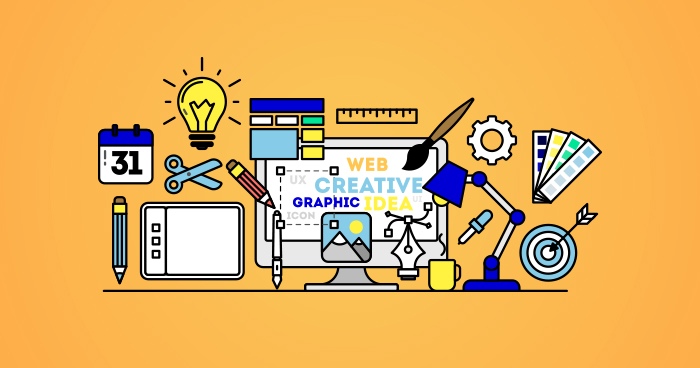
What is Web Design? The simplest answer is the process of organizing and directing ideas towards a specific purpose and turning them into practice. Once these processes are complete, the design of an active website is largely created. After web design is complete, end users can access websites via the internet using a web browser. This is perhaps the shortest answer we can give to the question of what web design is. Now, let’s take a closer look at this topic.
Web Design Elements
As in every field of design, web design also operates through certain fundamental structural parts. Below are concise headings outlining these, along with the key details necessary for high-quality work:
Structure
Graphics and text to be used must follow a specific order. A significant purpose of websites is to help users quickly find the information they seek at first glance. It is extremely important that the structure of web design is balanced, consistent, and maintains its integrity.
Color
Color choice depends on client demands and goals. Though design can be done in black and white, a person or organization can express their identity and brand through web-friendly colors.
Graphics
For web design, graphics can include logos, photographs, clipart, or icons. For usability, design should not be too dense, must not negatively affect page load speed, should align with the site's content, and be placed appropriately.
Fonts
Using various fonts can enhance the design quality of a website. Most browsers clearly display only “web-safe” fonts, so designers are advised to work with these well-known fonts.
Content
Content and design—using images and text—can work together to enhance the message a site wants to convey. You must give readers what they want to surprise and inspire them, thereby encouraging them to spend more time on the site. The text you use should always be relevant to the topic and useful. In web design, written text should include relevant keywords, be optimized for search engines, and be of appropriate length.
Creating a User-Friendly Web Design
When preparing a website, in order for it to be visually appealing and impactful, one must also consider user behavior along with the fundamental conditions of web design. By paying attention to the factors listed below, user-friendly interfaces can be easily achieved.
Navigation
When building the architecture of a website, menus and other navigation tools should be created considering how users view and search the site. It should be designed efficiently to help users find the information they need and navigate the site easily.
Multimedia
Relevant video and audio sections in the design can help users quickly and easily absorb information. This may encourage users to spend more time on the website.
Compatibility
It is extremely important to ensure consistent performance and correct display. Aim to prepare a web design that works flawlessly across different browsers and operating systems.
Technology
Using advancements in technology helps designers maintain fresh, dynamic, and professional web design and gives freedom to add innovation.
Interactive
Increase active user engagement by adding user comments within the web design. Convert users into regular visitors by offering email forms and newsletter subscriptions.
Tagged with :
design
